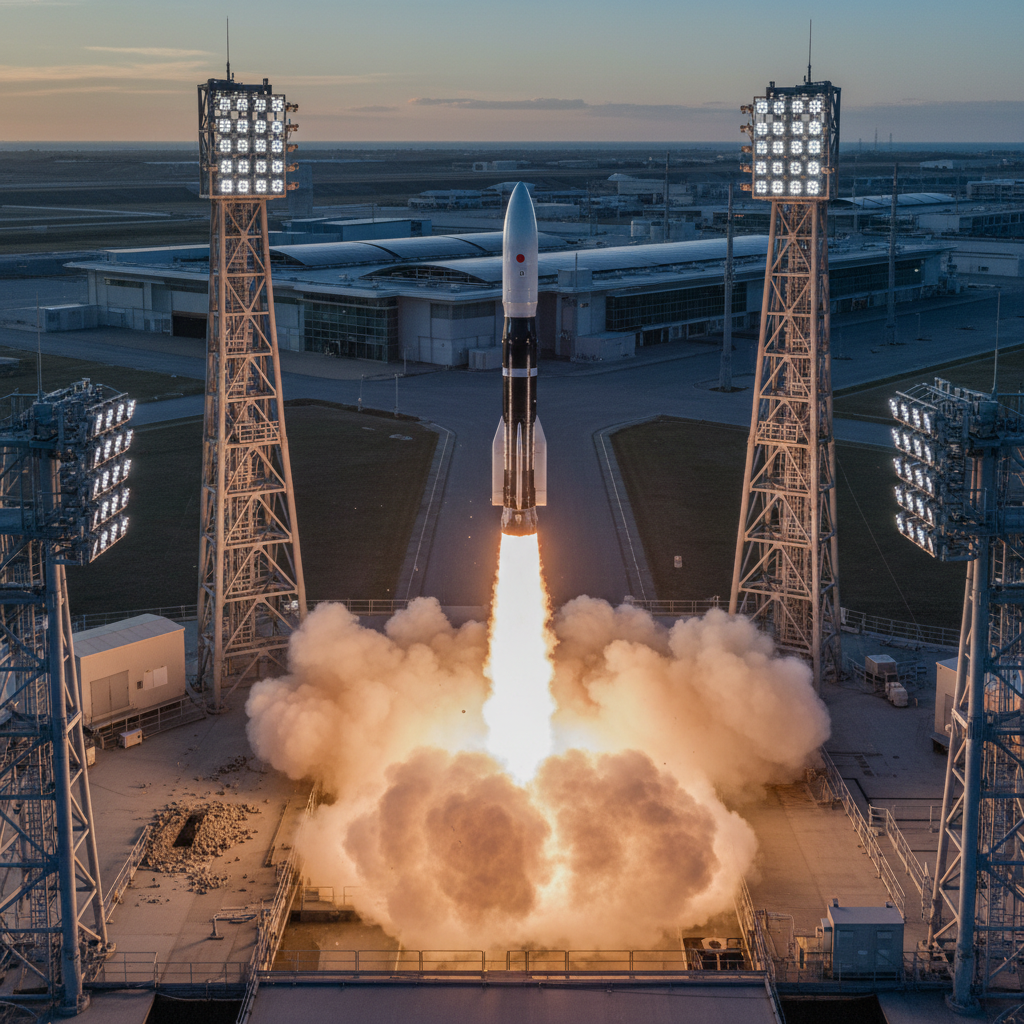
SRIHARIKOTA, Aug 2 (TodayXIndia) — India's space agency ISRO achieved a critical milestone on Saturday when the Gaganyaan crew module successfully completed its final abort test, demonstrating the spacecraft's ability to safely escape a failing rocket at an altitude of 17 kilometres and a speed of Mach 1.2.
The Crew Escape System (CES) fired its eight solid-fuel motors in a precisely choreographed sequence lasting just 2.7 seconds, pulling the crew module away from the simulated rocket failure at a peak acceleration of 10g. The capsule then separated from the escape tower, deployed its drogue parachutes at 10 km altitude, and splashed down safely in the Bay of Bengal approximately 10 km from the launch pad — within 300 metres of the predicted landing point.
"Today's test is the culmination of seven years of dedicated work by 15,000 scientists and engineers. India is ready to send its sons and daughters to space."
The test, designated TV-D2 (Test Vehicle Demonstration 2), was the last of three mandatory abort tests required before the crewed Gaganyaan mission can proceed. The first test in October 2023 validated the system at low altitude, while the second in March 2025 tested supersonic abort capabilities. Saturday's mission simulated the most challenging scenario: a Max-Q abort during the period of maximum aerodynamic pressure.
The Three Astronauts
India's first space crew comprises Group Captain Prashanth Balakrishnan Nair (Mission Commander), Group Captain Ajit Krishnan (Pilot), Group Captain Angad Pratap (Mission Specialist), and Wing Commander Shubhanshu Shukla (Alternate). All four are Indian Air Force test pilots who have undergone 18 months of training at the Yuri Gagarin Cosmonaut Training Center in Star City, Russia.
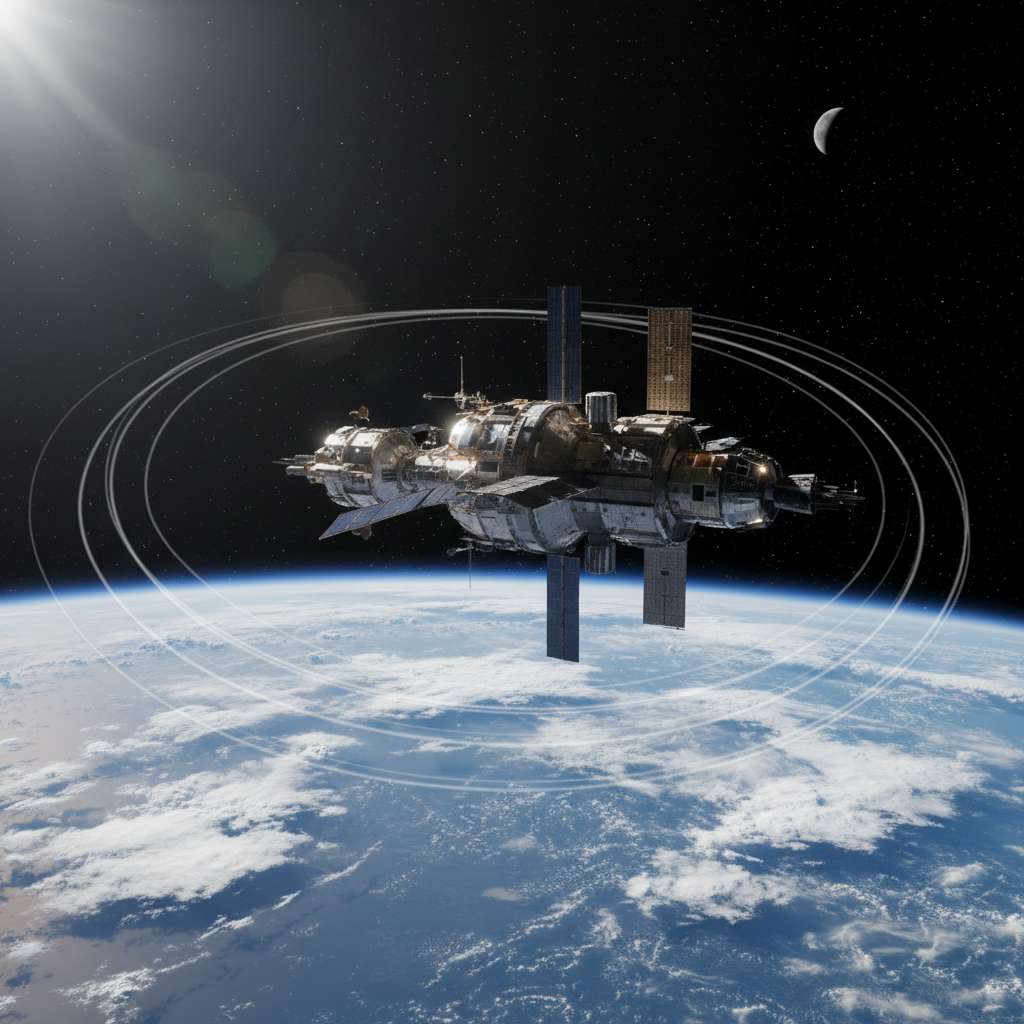
The orbital mission, planned for Q4 2026, will carry two crew members to a 400 km orbit for a 3-day mission before returning to Earth with a splashdown in the Arabian Sea off the coast of Gujarat. If successful, India will become only the fourth country — after the Soviet Union/Russia, the United States, and China — to independently send humans to space.
What Comes Next
Following Saturday's success, ISRO will conduct two uncrewed Gaganyaan orbital missions (G1 and G2) to validate life support systems and re-entry procedures. The G1 mission is scheduled for February 2026, with G2 following in June. The crewed mission (H1) is currently targeted for November 2026, ahead of India's 80th Independence Day in 2027.
India's space programme has been on an extraordinary trajectory: the ₹3.24 crore Mars Orbiter Mission in 2014, the first country to reach Mars on its first attempt; Chandrayaan-3's successful lunar south pole landing in 2023; and now a human spaceflight programme that costs approximately $1.4 billion — a fraction of comparable programmes by NASA or Roscosmos.
Original Source
ISRO Official Release — isro.gov.in